
GGS Programme29 September 2026
How a Music-Movement-Memory session unfolds
Every session follows the same, predictable structure – from a musical greeting to winding down. Predictability builds a sense of safety and makes it easier for people to take part.
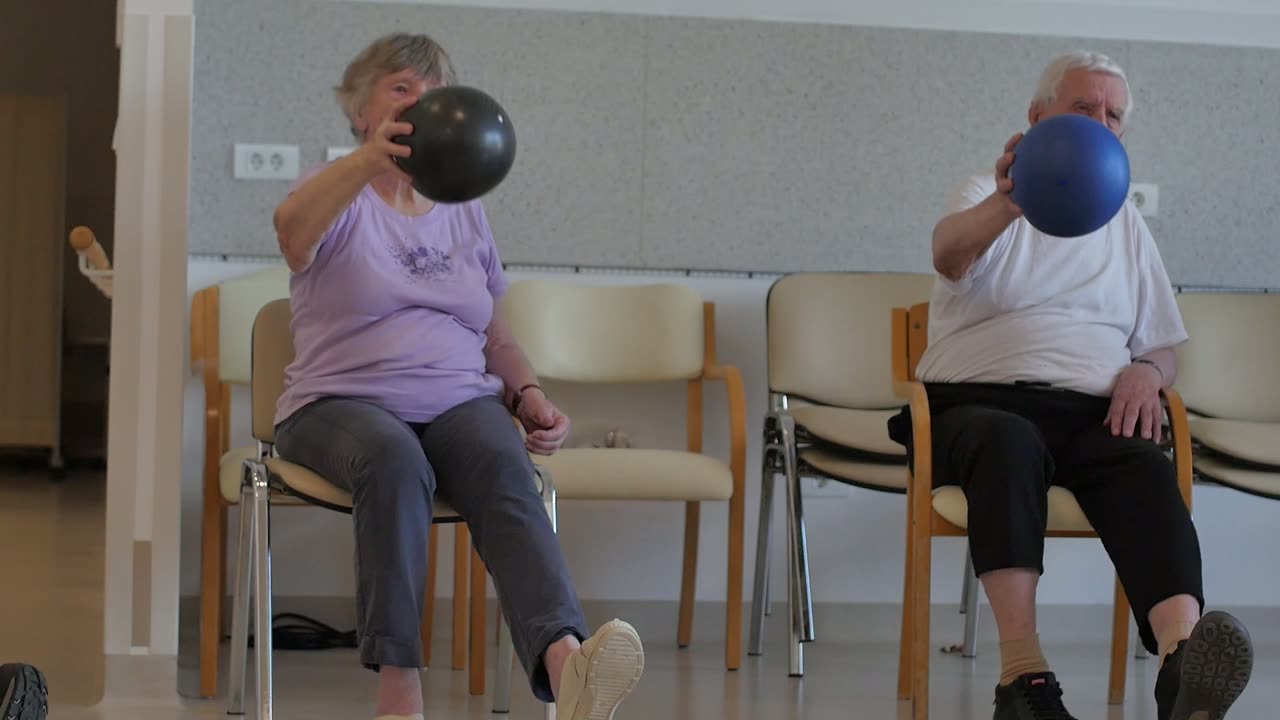
The Music-Movement-Memory programme is not made up of three separate workshops, but of integrated units in which music, movement and mental tasks combine into a single experience. Every session has the same internal structure, since predictability increases the sense of safety and makes participation easier.
Five parts of a session
Introduction (5–10 minutes): greeting, orientation and a brief outline of the session.
Activation (5–10 minutes): musical-rhythmic warm-up, preparing the body and attention.
Main part (15–30 minutes): connected musical-movement-cognitive tasks.
Winding down (5–10 minutes): breathing, relaxation or slower musical activities.
Closing (5 minutes): brief reflection, praise and a preview of the next session.
Music as an active prompt
Music in the programme is not merely accompaniment. We use it as an active teaching and supporting tool: it gives rhythm to movement, stimulates memory, lifts mood and brings the group together.
What we need
The programme is mobile and requires no special premises. A bright, airy, obstacle-free room with chairs for all participants is enough. The facilitator brings a portable speaker, prepared playlists and props such as soft balls, ribbons, light sticks and rhythm instruments.


Related posts

GGS Programme · 29 September 2026
GGS pilot sessions: 75 participants across four locations
GGS Programme · 29 September 2026
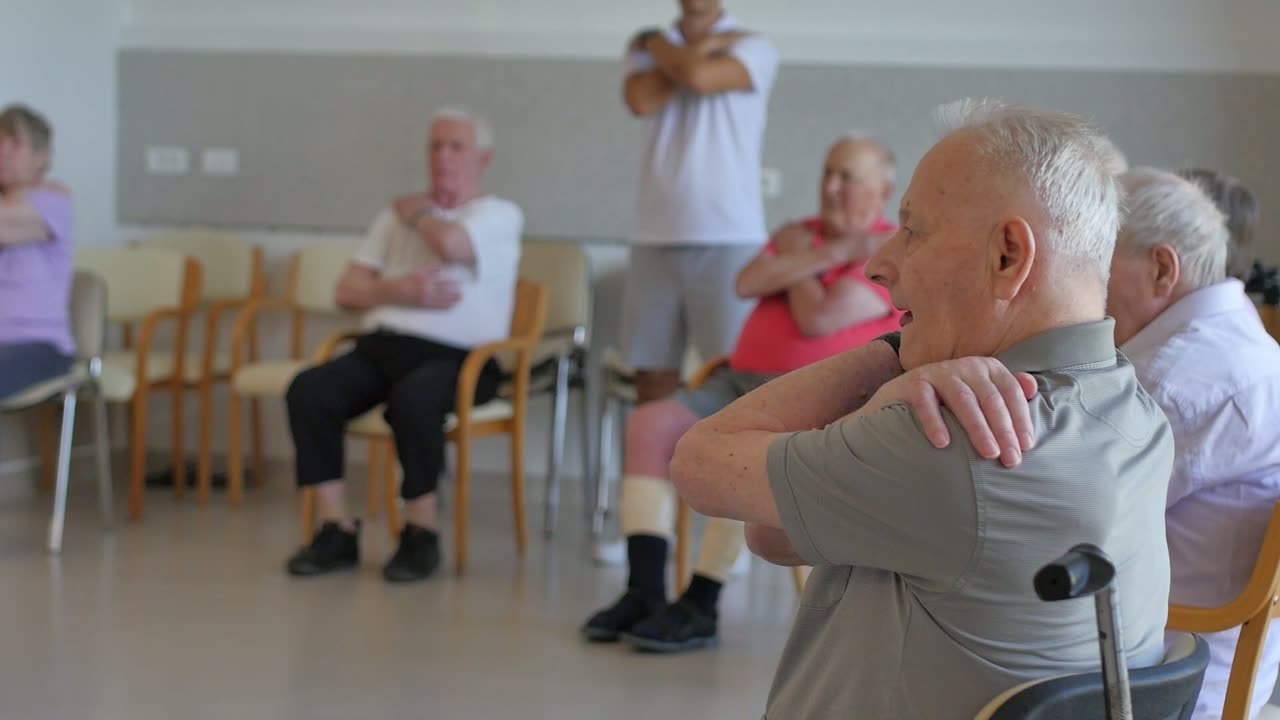
How we adapted the GGS programme to older adults' different abilities
GGS Programme · 18 September 2026
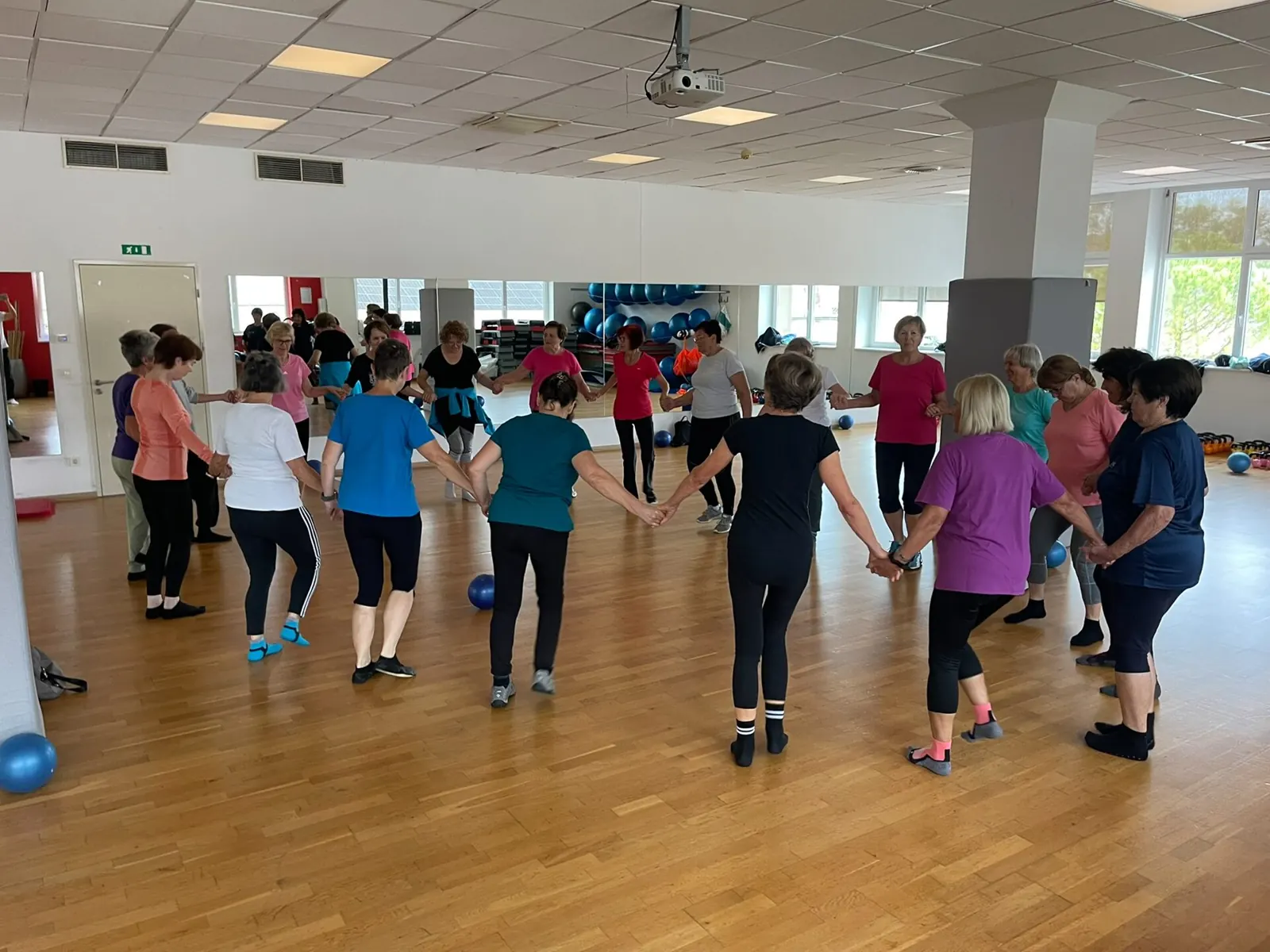
Music-Movement-Memory: a new programme for vitality, memory and safe movement in later life